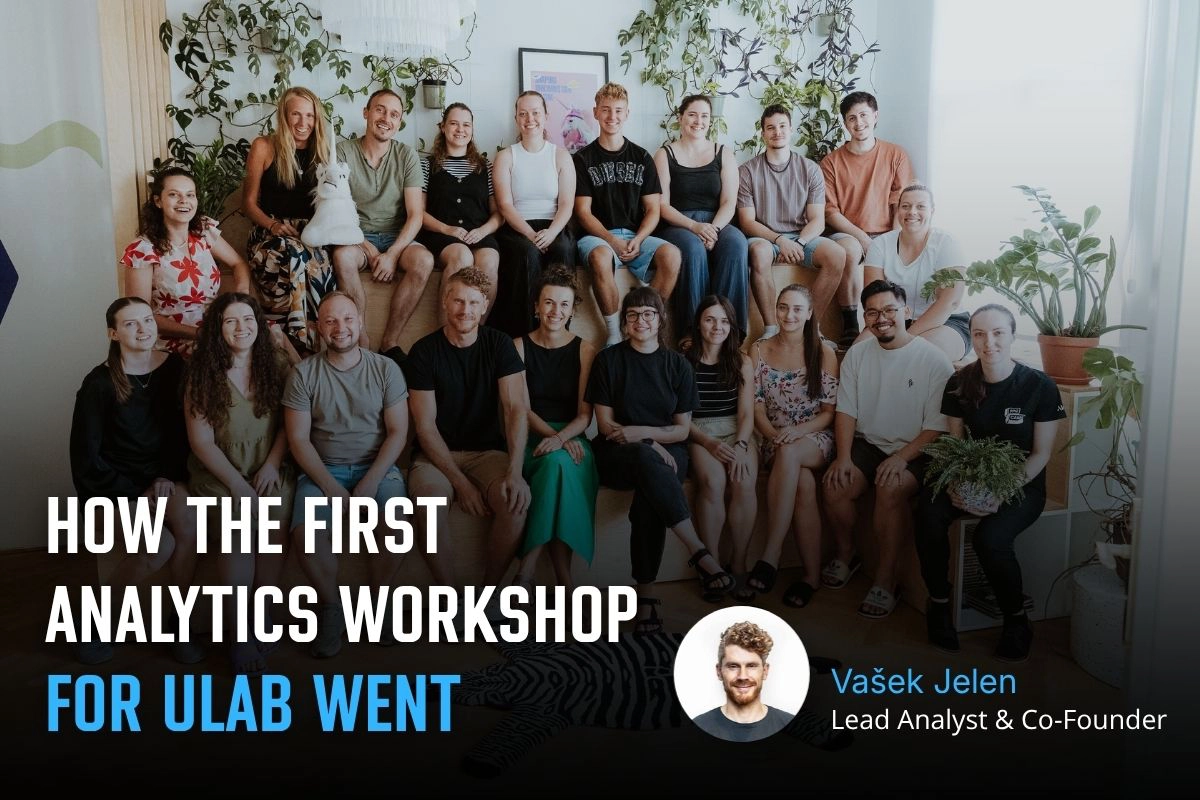
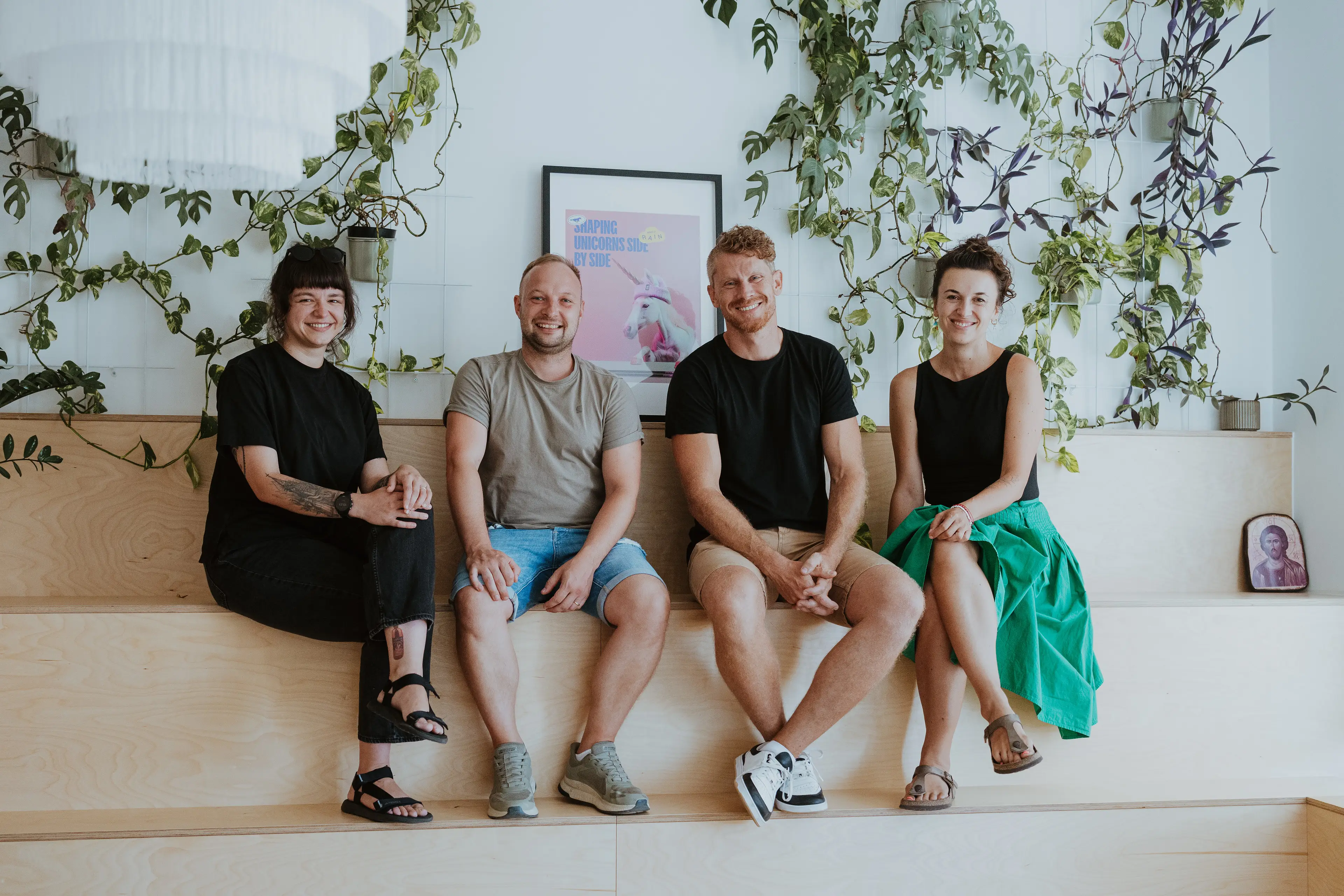
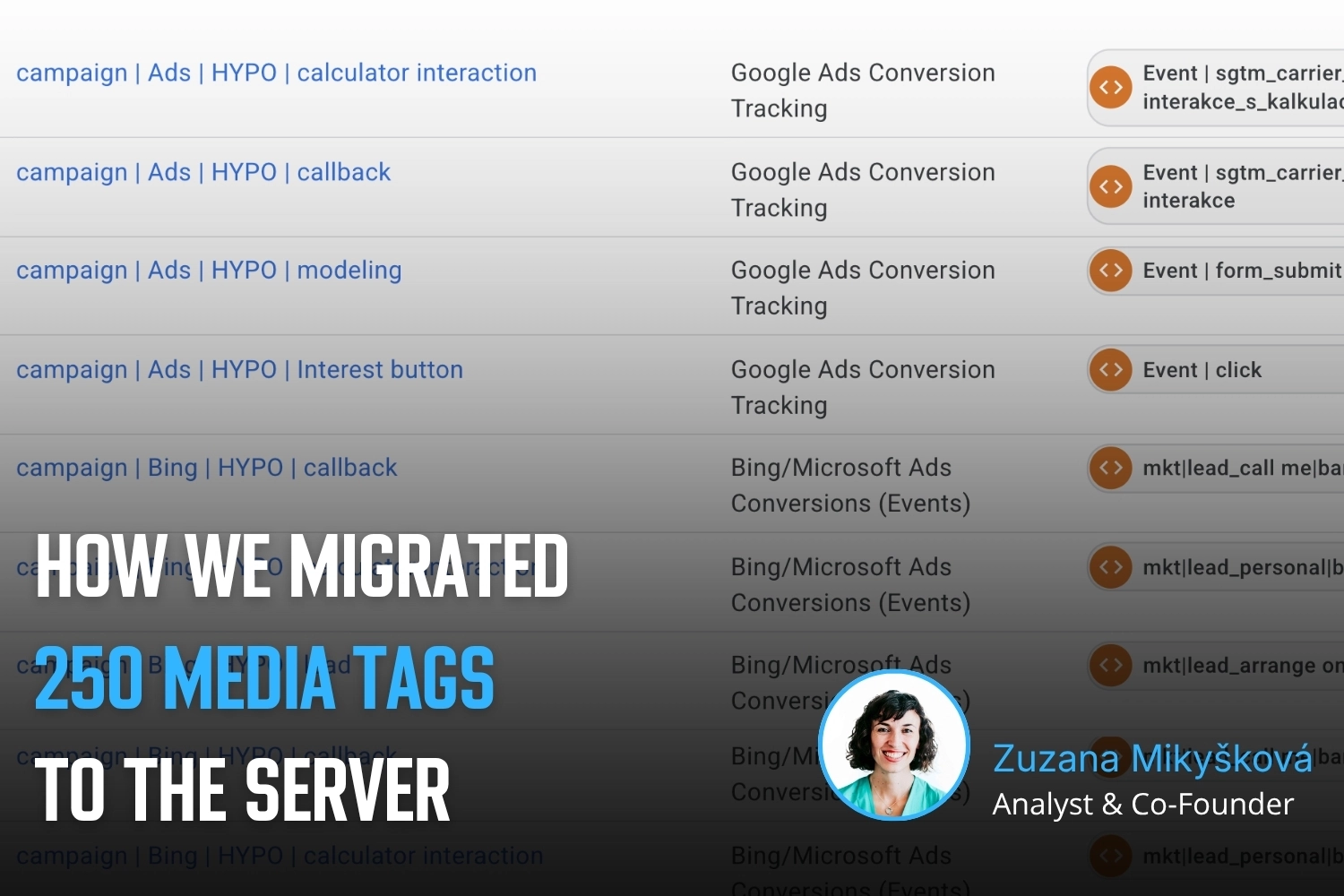
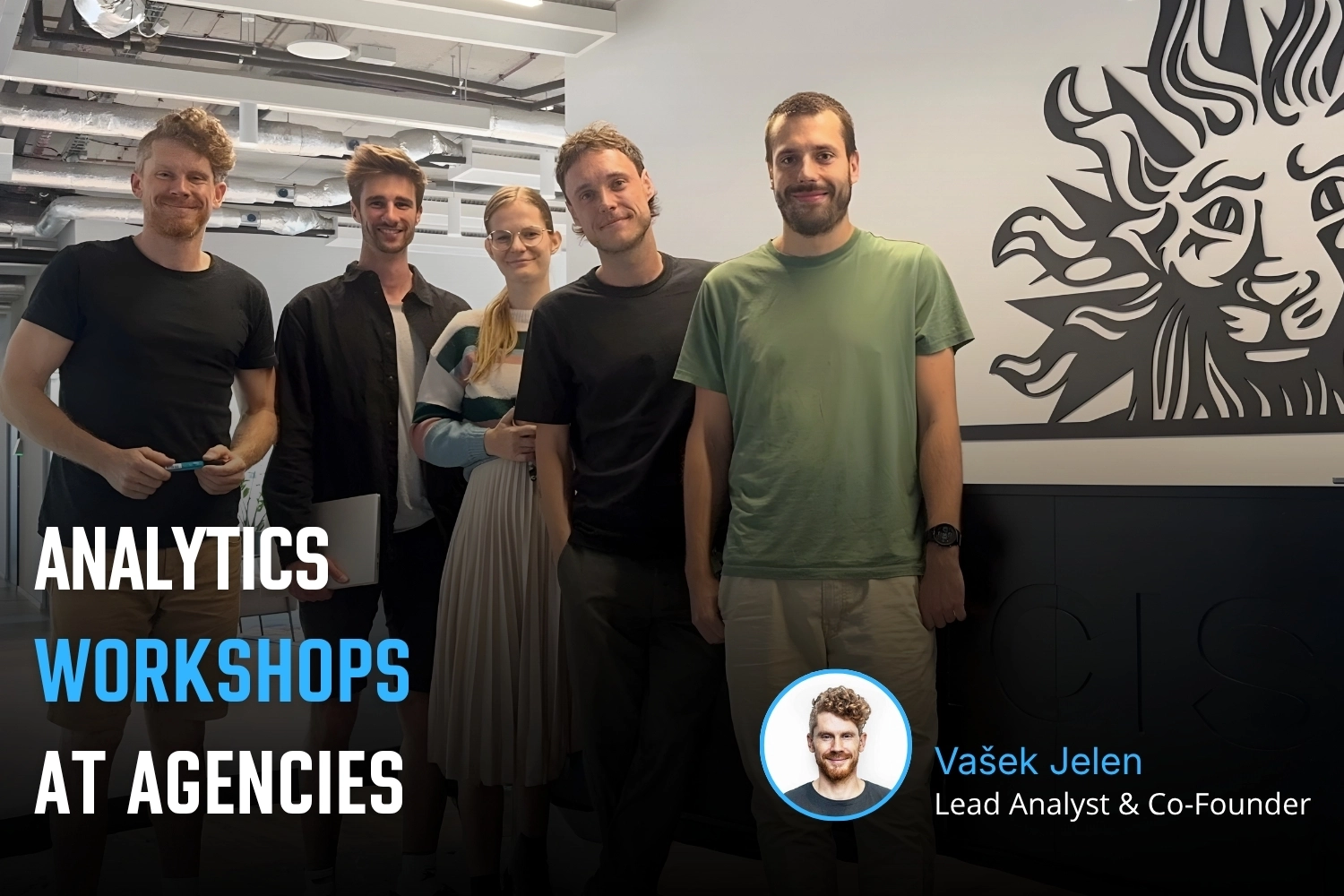
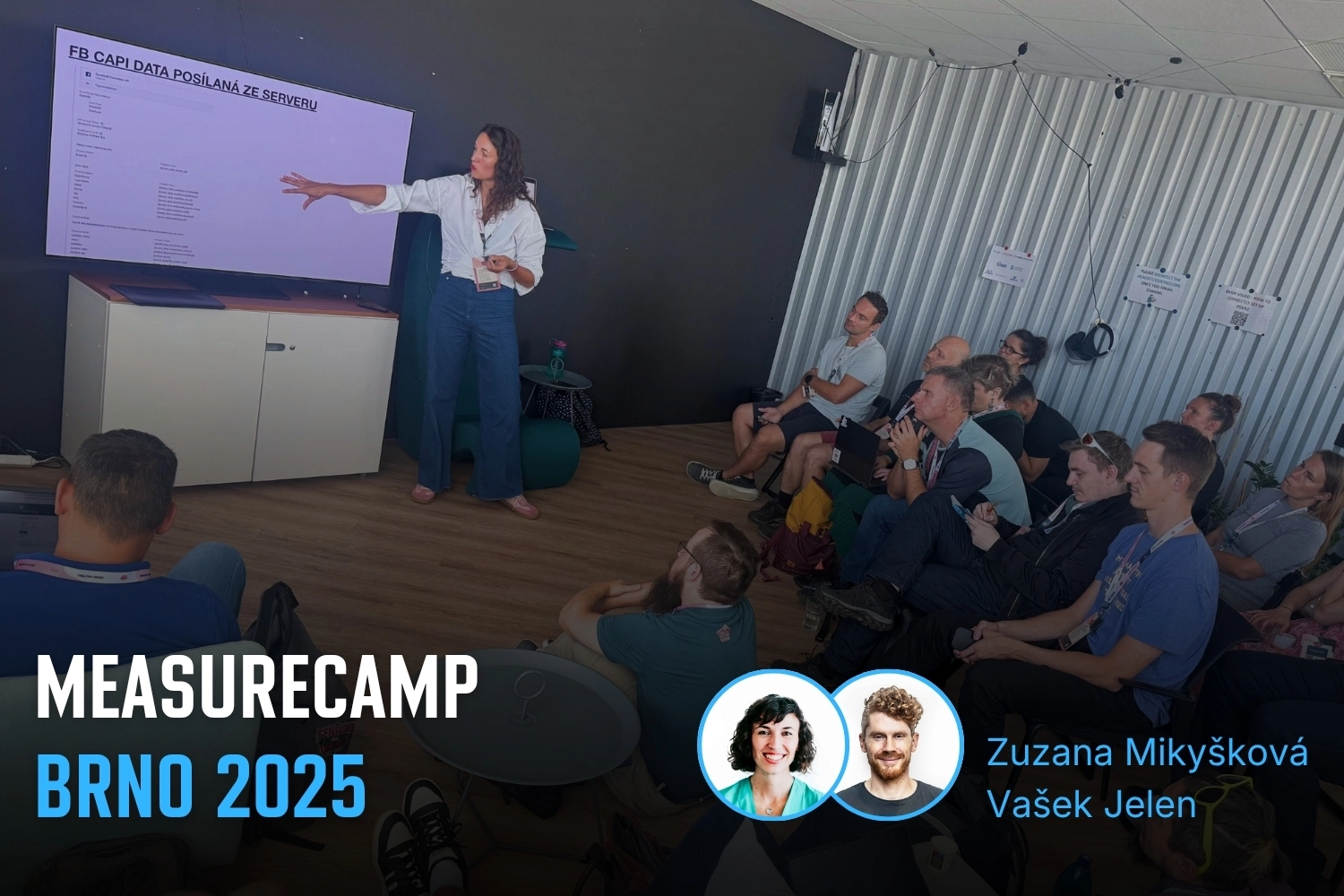
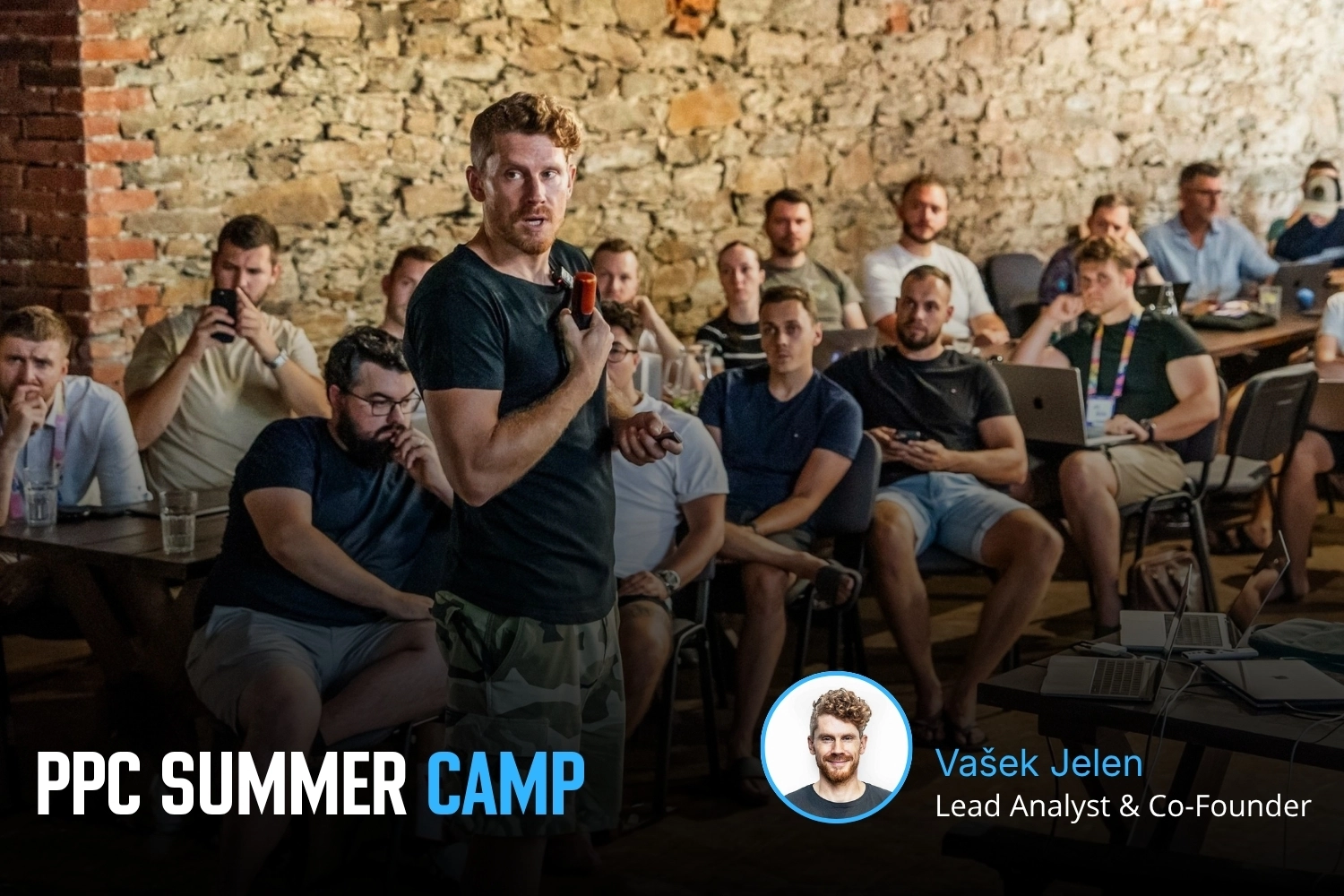
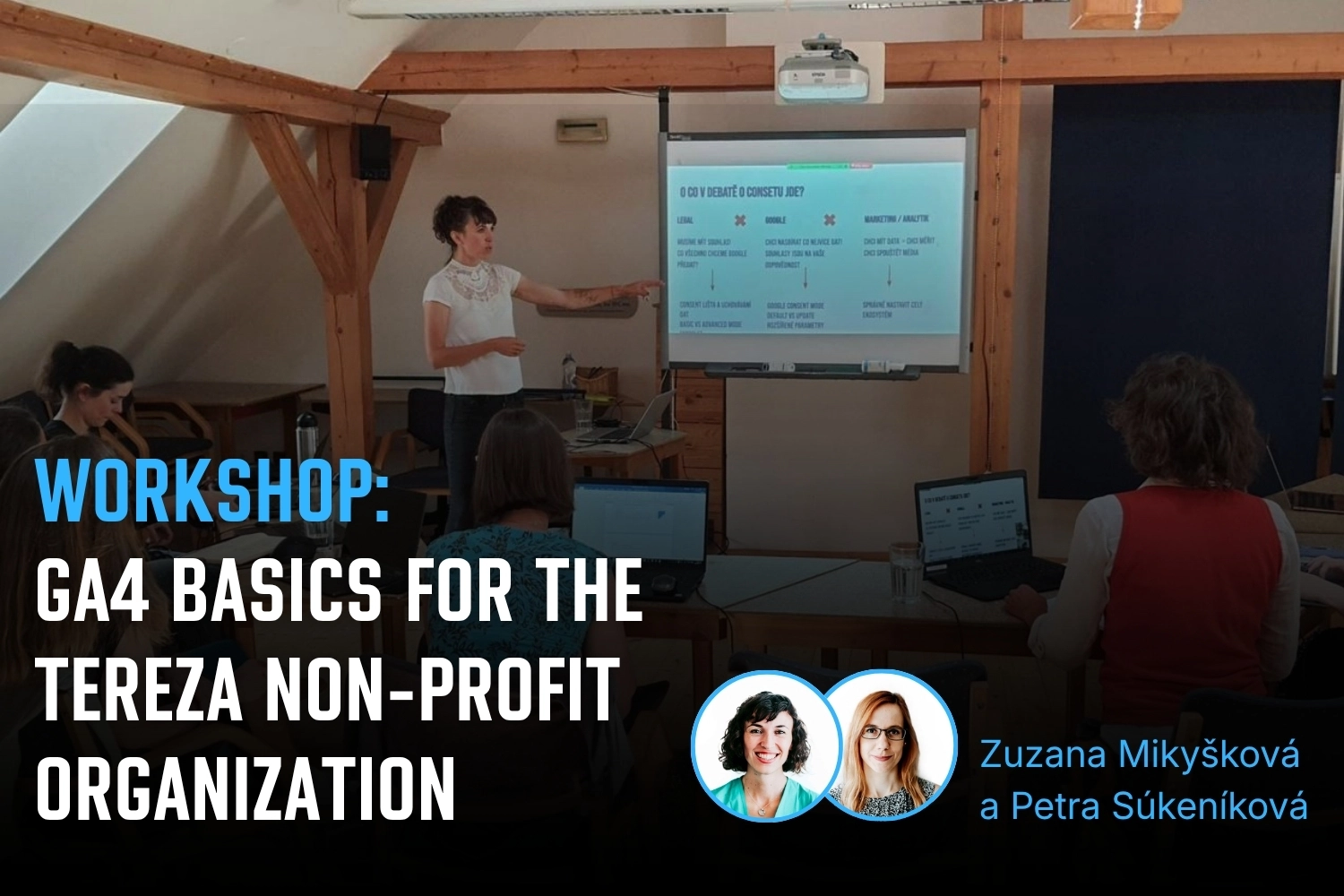
Last week, Zuzka Mikyšková, Lenka Pittnerová, and I took a summer trip to Brno. We prepared an analytics workshop for uLab’s PPC team, where we spent the day summarizing what top PPC specialists should know about analytics and collecting data for ad platforms.
We tailored the agenda together with Petr Bureš and Markéta Kabátová. We have friends from the analytics community at uLab (hi Iveta D. and everyone else 👋), but this was our first time at their offices. As someone born and raised in Prague, who occasionally gets some grief for it outside the city, I felt right at home. uLab’s largest meeting room is called Prague – I appreciate that. :)
During the workshop, we covered how analytics and media tracking work today, the technical components involved, and what PPC specialists should keep an eye on to make sure their campaigns get as much data as possible. This workshop will be followed by a detailed technical session with selected specialists, where we’ll dive into the implementation details and do some hands-on clicking and scripting.
The workshop presentation (in Czech) is available here.
Workshop agenda
I started with a high-level look at the difference between a smaller client (where the specialist delivers conversions, the data isn’t connected, and they work with APIs or directly in the GA4 and ad platform UIs) and a larger company, where both media reporting and activation are built around a single source of truth in BigQuery.
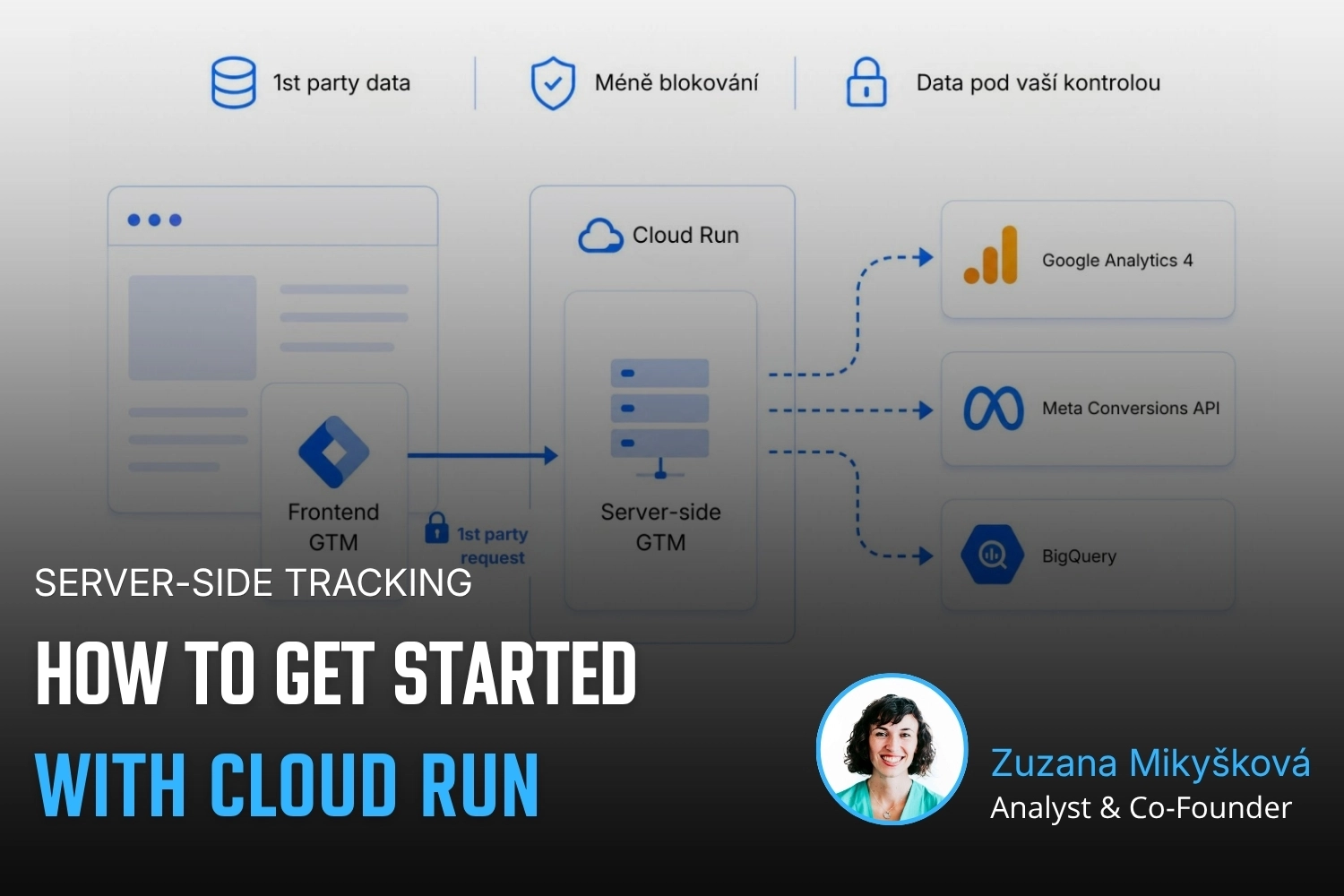
Zuzka went through the technical components – the data layer, client-side GTM, and server-side GTM – and what PPC specialists should be able to check in each of them.
On the data layer: We went through it from a technical perspective – what it is, how it’s structured, and how to inspect it. The key message was not to think of it as something purely technical, but as a semantic layer between the website and tracking that should be understandable to everyone and reflect the requirements for collecting conversions and audiences.
On server-side GTM: From a certain client size onwards, we deploy it everywhere. Media platforms are increasingly requiring it, and although it’s a technical component, it has a real impact on campaign performance. There seem to be different views on it within the PPC community, so Zuzka shared our perspective.
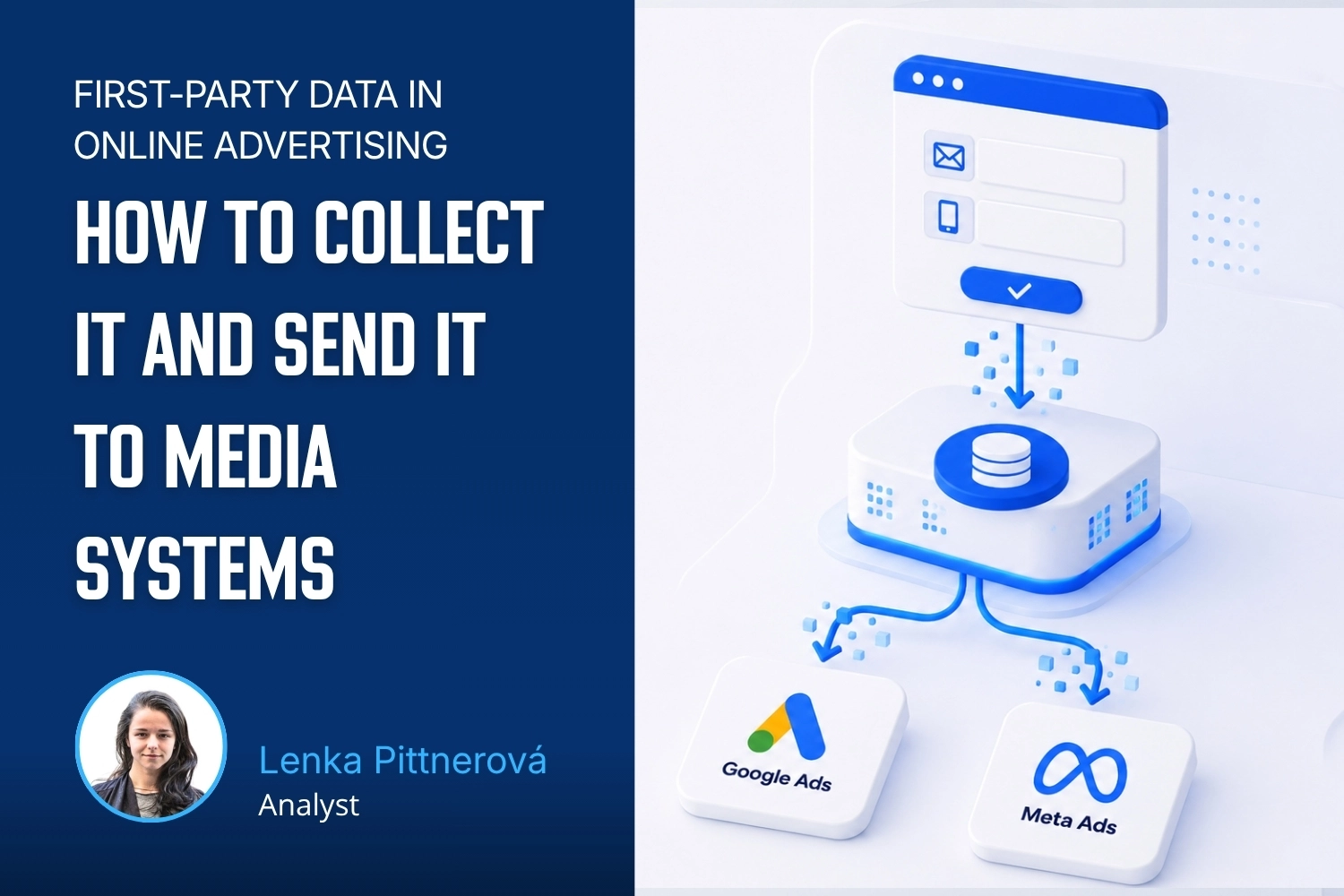
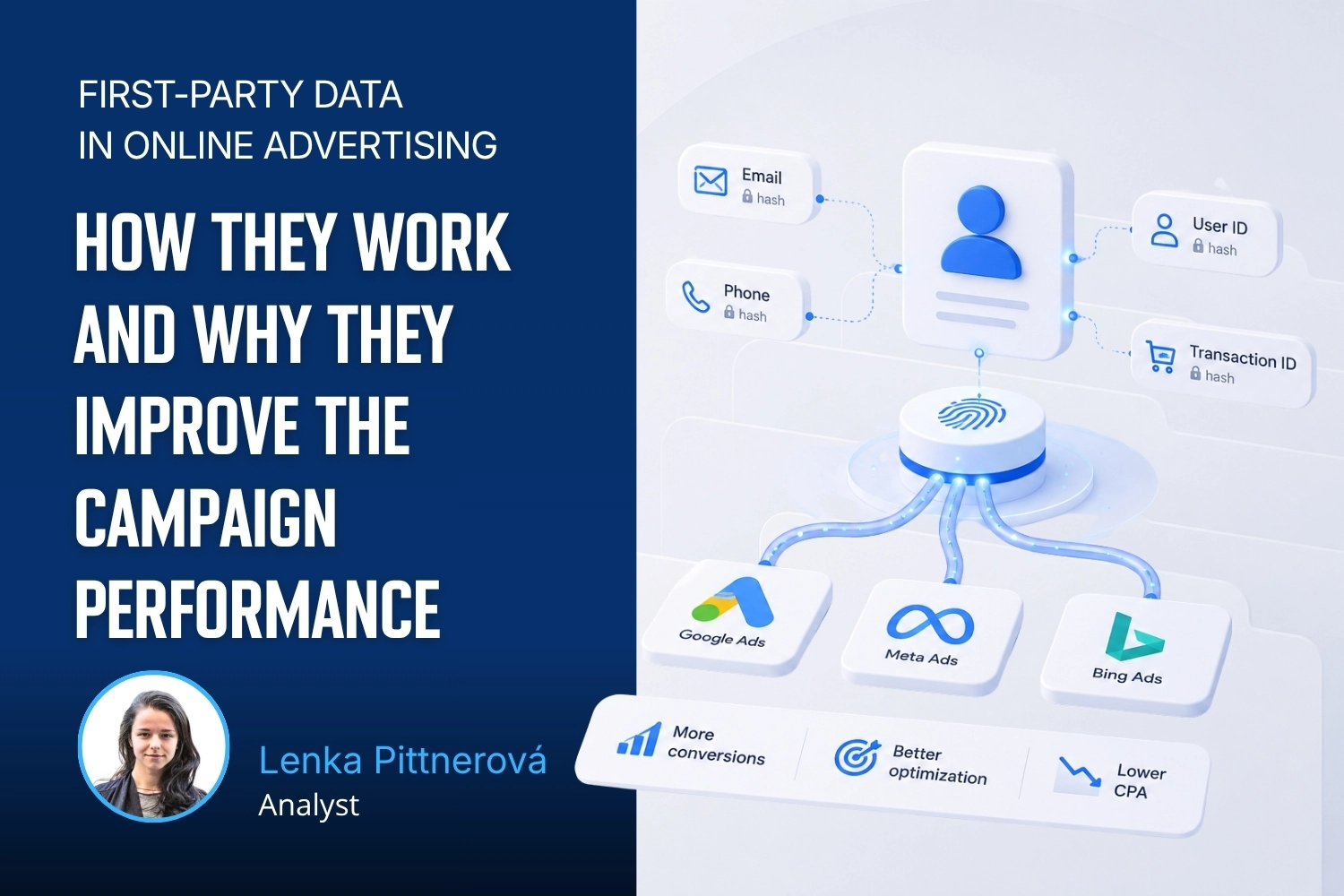
We also covered consent and the options for anonymous tracking. Lenka then went through conversion tracking for off-the-shelf platforms (Shoptet, Shopify, and WordPress), click IDs, how to verify within the platforms that tracking from a website or app is working correctly, and how to collect first-party data from the platforms and activate it in media platforms – either by sending it directly or importing it from a CRM.
On click IDs: It sounds like a nerdy topic, but click IDs (gclid, fbclid, ttclid, etc.) are important for correctly attributing clicks to conversions and for reporting based on raw media platform data. PPC specialists should know why they appear in URLs, that they’re stored in browser storage, and how to check that nothing on the landing page strips them out and that they persist all the way through to conversion. They’re also important for matching on-platform behaviour with raw media data when working with it.
Thanks to the entire uLab team for putting up with us all day. They still have a GA4 workshop for PPC specialists and the technical training mentioned above to look forward to.